Montana’s cost of living has become a defining topic in the state’s ongoing population growth story. As remote workers, retirees, and out-of-state buyers continue to move in, the price of housing, groceries, healthcare, and utilities has shifted unevenly across the state. Some Montana cities now rank among the more expensive places to live in the Mountain West, while others remain closer to national norms. This article examines what residents and prospective movers can expect in 2025, city by city and category by category.

Housing Remains the Biggest Driver of Cost
Housing is the single largest factor separating Montana’s cost of living from the national average. The state’s population growth over the past several years, fueled by in-migration from higher-cost states, has pushed home prices and rents upward faster than wages have kept pace in many communities. Real estate agents and local housing authorities across the state have repeatedly pointed to limited inventory, particularly in mountain towns and college cities, as a central reason prices have stayed elevated even as national housing markets cooled in some regions.
Bozeman and Missoula Lead the Increases
Bozeman has consistently posted some of the highest home prices in Montana, driven by its proximity to Yellowstone Club, Big Sky, and Montana State University. Missoula follows a similar pattern, with the University of Montana and a growing tech and healthcare employment base supporting steady demand for both rentals and single-family homes. Renters in both cities report competing for limited units, particularly during the late-summer leasing season tied to the academic calendar.
Billings and Great Falls Offer More Affordable Options
Montana’s larger, more industrial and agricultural hub cities, Billings and Great Falls, tend to offer housing costs closer to the national average than the mountain and college towns. Billings, as the state’s largest city, has a broader housing stock and a more diversified economy tied to energy, healthcare, and agriculture, which has helped moderate price growth compared with Bozeman and Missoula. Great Falls has followed a similar trajectory, with home prices rising but not at the pace seen in southwestern Montana.
Grocery and Food Costs Vary by Region
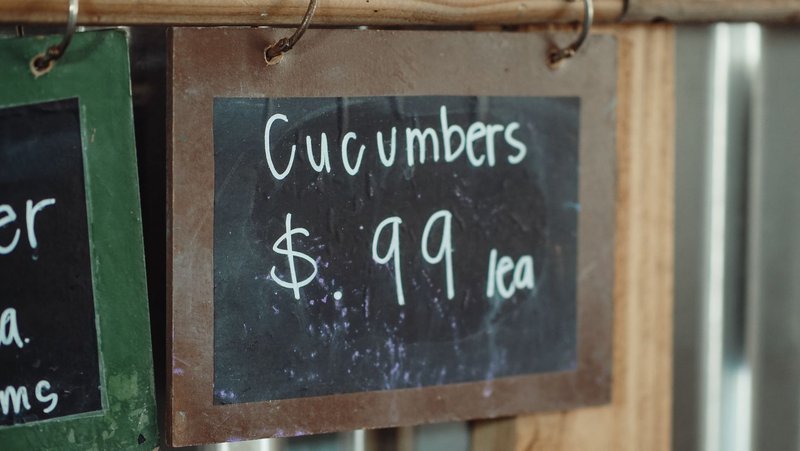
Grocery prices in Montana tend to run somewhat higher than the national average, a pattern common across rural and mountain states where transportation distances add cost to distribution. Communities farther from major distribution centers, including towns in eastern Montana and the Flathead Valley, often see higher prices on perishable goods such as produce and dairy compared with cities located along major interstate corridors.
Billings, positioned as a regional distribution hub, generally offers somewhat lower grocery prices than Bozeman or Kalispell, where seasonal tourism demand can push up prices at grocery stores and restaurants alike. Dining out in tourist-heavy areas, particularly during summer months near Glacier National Park and Yellowstone, tends to carry a noticeable premium.
Healthcare Costs Reflect Rural Access Challenges
Healthcare spending in Montana is shaped heavily by the state’s rural geography. Many communities lack a local hospital or specialist care, requiring residents to travel to larger cities such as Billings, Missoula, Great Falls, or Kalispell for treatment. This travel burden adds indirect costs to healthcare beyond insurance premiums and out-of-pocket expenses.
Insurance premiums in Montana have historically tracked close to national averages, though residents in rural counties often have fewer plan options through the individual marketplace than residents in more populated states. Montana’s Medicaid expansion, enacted in prior years, has extended coverage to a larger share of lower-income residents, which has affected overall healthcare affordability calculations statewide.
Rural Access and Emergency Services
Emergency and specialty care access remains a persistent concern in Montana’s most sparsely populated counties. Air ambulance services, used more frequently in Montana than in many other states due to long distances between hospitals, can generate significant costs for patients even when covered in part by insurance. This is a factor that residents relocating from urban states often underestimate when budgeting for healthcare.
Utility Costs Tied to Climate and Geography
Utility costs in Montana are shaped by the state’s long, cold winters and its reliance on heating fuel during much of the year. Natural gas and electricity costs for heating tend to be higher during winter months than in milder climates, and this seasonal spike is a significant part of the state’s overall cost of living picture, even when annual averages appear closer to the national norm.
Electricity rates vary by utility provider and region, with cities served by NorthWestern Energy comprising the bulk of the state’s population. Residents in more remote areas served by rural electric cooperatives sometimes face different rate structures than those in larger cities. Water and sewer costs, meanwhile, tend to be set locally by municipal governments and can vary considerably between cities such as Helena, Bozeman, and Kalispell.
Comparing Montana to the National Average
Taken together, Montana’s overall cost of living tends to run somewhat above the national average, driven primarily by housing costs in high-demand cities rather than by broad increases across all spending categories. Grocery and utility costs contribute modest upward pressure, while healthcare costs are shaped more by access and travel than by price alone. Wages in Montana have historically lagged behind the national average in several sectors, which compounds the effect of rising housing costs on household budgets, particularly for renters and first-time homebuyers.
Budgeting Tips for Those Relocating to Montana
Financial planners and relocation specialists who work with newcomers to Montana generally recommend a few consistent strategies for adjusting to the state’s cost structure.
- Research housing costs by city, not statewide averages. The gap between Bozeman and Billings, for example, can be substantial, and statewide figures can obscure meaningful differences.
- Budget for seasonal utility swings. Winter heating costs can be significantly higher than summer utility bills, and new residents should plan for that variance rather than budgeting a flat monthly average.
- Factor in travel time and cost for specialized healthcare. Residents outside of Montana’s larger cities should account for the possibility of travel to Billings, Missoula, or out of state for certain medical specialties.
- Account for tourism-driven price spikes. Communities near national parks and major ski resorts often see higher prices for groceries, dining, and services during peak tourist seasons.
- Compare wages carefully before relocating. Prospective movers should weigh local salary offers against Montana’s cost of living rather than assuming pay will be comparable to what they earned in a larger metro area.
Conclusion
Montana’s cost of living in 2025 is not uniform across the state. Housing costs, particularly in Bozeman and Missoula, have pushed those cities well above national averages, while Billings and Great Falls remain more moderate. Grocery, healthcare, and utility costs each carry their own regional variations tied to geography, tourism, and rural access to services. Anyone considering a move to Montana would do well to research costs at the city level, plan for seasonal fluctuations, and weigh local wages carefully before making a final decision.