Montana’s housing market has shifted dramatically over the past several years, driven by out-of-state buyers, limited inventory in mountain towns, and rising demand in cities such as Bozeman, Missoula, and Billings. For first-time buyers, that combination of factors makes preparation more important than ever. This guide walks through what buyers need to know before making an offer, from financing options to neighborhood selection.
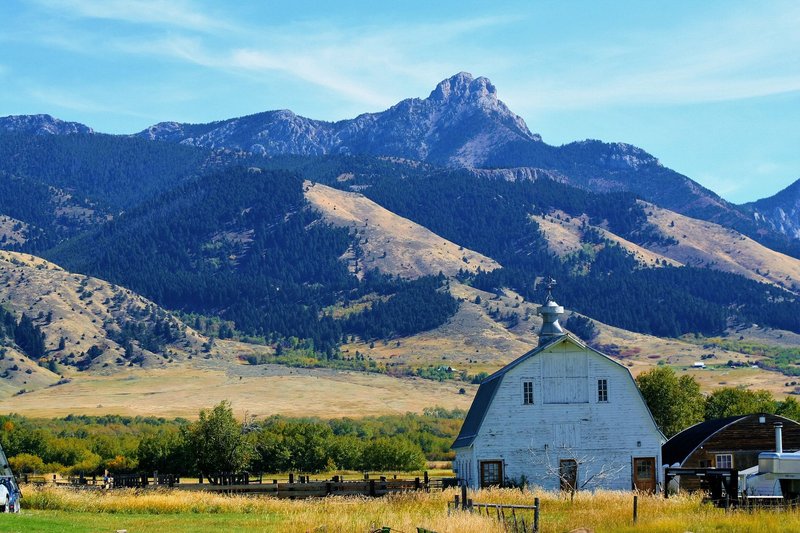

Understanding Montana’s Regional Housing Market
Home prices and inventory vary sharply depending on where in the state a buyer is looking. Mountain resort communities like Bozeman, Whitefish, and Big Sky have seen some of the steepest price increases in the state, fueled in part by remote workers and second-home buyers relocating from more expensive markets. Larger cities such as Billings and Great Falls tend to offer more moderate price points and a steadier supply of starter homes, though competition for well-priced listings remains strong.
Smaller towns and rural areas often present the most accessible entry point for first-time buyers, particularly those who do not need to commute to a major employment center. However, buyers considering rural property should factor in additional costs such as well and septic systems, longer commute times, and limited access to high-speed internet in some areas.
Seasonal Timing
Montana’s real estate market tends to follow a seasonal rhythm. Listings typically increase in spring and summer, when weather makes moving and home inspections easier, and slow considerably in the winter months. Buyers willing to shop during the colder months may face less competition, though they will also have fewer homes to choose from.
Getting Ready to Buy: Financing and Preapproval
Before touring homes, buyers should have a clear picture of what they can afford and secure preapproval from a lender. A preapproval letter shows sellers that a buyer is financially qualified, which matters in a competitive market where multiple offers are common.
Lenders will typically review income, credit history, debt-to-income ratio, and available funds for a down payment. Buyers should shop among several lenders, including local banks, credit unions, and mortgage brokers, since interest rates and fees can vary.
Montana Housing Programs
The Montana Board of Housing, operating under the name Montana Housing, offers several programs aimed at helping first-time buyers qualify for a mortgage. These include below-market interest rate loans and down payment assistance programs that provide a second loan to help cover upfront costs. Eligibility for these programs generally depends on income limits, purchase price limits, and a requirement that the buyer has not owned a home in the past three years, though exceptions exist for certain target areas.
Buyers interested in these programs typically need to work with a lender approved to originate Montana Housing loans, and they may be required to complete a homebuyer education course before closing. Because program details and income limits change periodically, buyers should confirm current requirements directly with Montana Housing or an approved lender rather than relying on outdated figures.
Federal Loan Options
In addition to state programs, first-time buyers in Montana can pursue federally backed loans. FHA loans allow for lower down payments and more flexible credit requirements, making them a common choice for buyers with limited savings. USDA loans, which require no down payment, are available for eligible rural properties and can be a useful option for buyers looking outside major cities. VA loans remain available to eligible veterans and active-duty service members and often require no down payment as well.
Budgeting for Closing Costs and Other Fees
Closing costs are one of the most frequently underestimated expenses in the homebuying process. These costs typically include loan origination fees, appraisal fees, title insurance, recording fees, and prepaid items such as property taxes and homeowners insurance. Buyers should ask their lender for a loan estimate early in the process to get a clearer sense of what to expect.
In addition to closing costs, buyers should budget for a home inspection, which is strongly recommended regardless of the property’s age or condition. Montana’s climate, including heavy snow loads and freeze-thaw cycles, can take a toll on roofs, foundations, and heating systems, making a thorough inspection particularly valuable.
Property Taxes and Insurance
Property tax rates vary by county, and buyers should research the specific rate for the area they are considering rather than assuming a statewide average. Homeowners insurance costs can also vary depending on location, particularly for properties in areas with wildfire risk or heavy snowfall. Buyers looking at rural or forested properties should ask insurers directly about wildfire coverage and any exclusions that may apply.
Choosing the Right Neighborhood
Selecting a neighborhood involves more than comparing home prices. Buyers should consider commute times, school districts, proximity to health care, and access to outdoor recreation, all of which vary widely across Montana’s cities and towns.
Urban Convenience Versus Rural Space
Buyers who prioritize walkability, shorter commutes, and access to services such as grocery stores and medical care may find established neighborhoods in cities like Missoula, Billings, or Helena a better fit. Those seeking more land, privacy, or proximity to hunting, fishing, or hiking access may lean toward rural properties, but should weigh the tradeoffs in commute time and access to emergency services.
Climate and Seasonal Considerations
Montana’s climate varies by region, and buyers should consider how snowfall, wind, and temperature extremes might affect daily life in a given area. Communities at higher elevations or in mountain valleys often see heavier snow accumulation, which can affect road access and heating costs. Buyers should also ask about a home’s heating system and insulation quality, since older homes in Montana may not be as energy-efficient as newer construction.
Growth and Future Development
Some of Montana’s fastest-growing areas are seeing new subdivisions, commercial development, and infrastructure investment, which can affect both property values and quality of life. Buyers may want to check with local planning departments about any proposed developments near a property they are considering, since new construction can influence traffic patterns, school enrollment, and future resale value.
Working With a Real Estate Agent
A local real estate agent familiar with the specific market a buyer is targeting can provide insight that is difficult to gather independently, including information on how quickly homes are selling, typical negotiation practices, and neighborhood-specific concerns. Buyers should ask potential agents about their experience working with first-time buyers and their familiarity with state assistance programs, since not all agents have direct experience navigating Montana Housing loans or similar assistance.
Conclusion
Buying a home in Montana requires balancing regional market conditions, financing options, and lifestyle priorities. First-time buyers who take time to secure preapproval, research available assistance programs, and carefully evaluate neighborhoods before making an offer are better positioned to navigate a market that continues to shift from one part of the state to another. Careful preparation, rather than speed, remains the most reliable path to a successful purchase.