Montana’s used truck market moves fast, and buyers who know what to look for stand a better chance of avoiding costly repairs down the road. Winters that alternate between deep snow, road salt and sudden thaws take a toll on vehicles in ways that are not always visible on a test drive. Anyone buying a used truck Montana dealerships or private sellers are offering should approach the process with a checklist built around the state’s specific driving conditions.
Rust and Undercarriage Damage Top the Inspection List
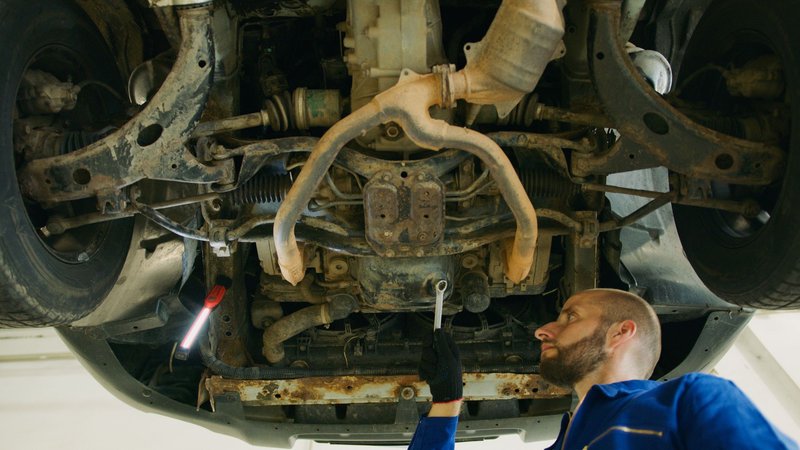
Road crews across Montana apply salt and magnesium chloride to highways and city streets during winter months to keep ice from forming. Those chemicals are effective at clearing roads, but they also accelerate corrosion on the underside of vehicles, particularly on frames, brake lines and exhaust systems.
Where to Look for Rust
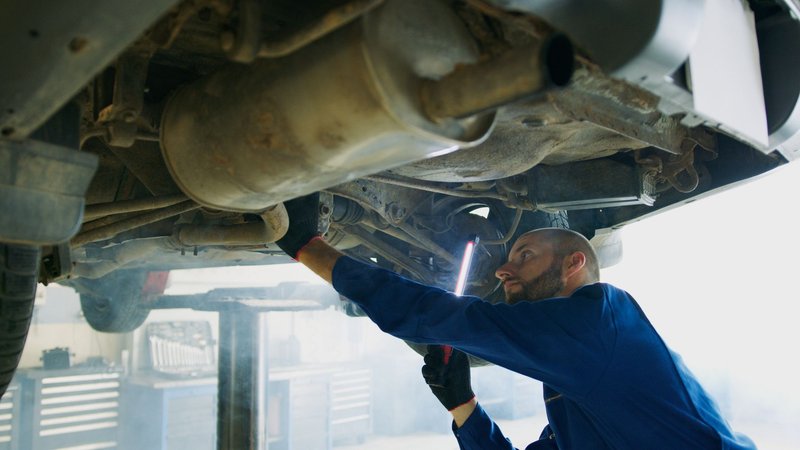
A thorough inspection starts underneath the truck, not on the paint. Buyers should check:
- The frame rails and cross members for flaking metal or bubbling paint, which often signal rust starting from the inside out
- Wheel wells and rocker panels, common spots where road spray collects and sits
- Brake lines, which can corrode to the point of failure without obvious external warning signs
- The bed floor and tailgate hinges, especially on trucks that hauled sand, gravel or firewood
Surface rust on visible body panels is usually cosmetic and manageable. Rust that has penetrated structural components is a different matter and can be expensive or impossible to repair properly. A mechanic with a lift, rather than a flashlight in a driveway, is the only reliable way to assess frame integrity.
Weather-Related Wear Beyond Rust
Montana’s temperature swings, from subzero nights to warm summer afternoons, stress rubber seals, hoses and gaskets. Buyers should look for cracked weatherstripping around doors and windows, which allows moisture intrusion that can lead to mold or electrical problems. Windshields deserve close attention as well, since gravel kicked up on rural highways causes chips and cracks that spread quickly when temperatures drop. A small chip that seems minor in a showroom can turn into a full windshield replacement after one hard freeze.
Battery health is another consideration specific to cold climates. Batteries in Montana work harder during winter starts, and a used truck’s battery may be nearing the end of its service life even if it looks new. Asking for the battery’s age or having it load-tested before purchase can prevent an unpleasant surprise on the first cold morning.
Checking Mechanical Systems That Matter Most in Montana
Beyond rust and weatherproofing, certain mechanical systems see heavier use in Montana than in milder climates, largely due to terrain and towing demands common among ranch, farm and outdoor recreation buyers.
Four-Wheel Drive and Drivetrain Components
Many trucks sold in Montana are equipped with four-wheel drive, and that system should be tested in person rather than taken on faith. A buyer can shift into 4-high and 4-low in a safe, low-speed setting to confirm the transfer case engages smoothly without grinding or delayed response. Listening for unusual noises from the differential during a test drive, particularly on turns, can reveal wear that is expensive to fix.
Suspension and Towing Equipment
Trucks used for towing trailers, hauling livestock or navigating unpaved ranch roads often show more suspension wear than their odometer alone would suggest. Sagging rear springs, worn shocks, or a trailer hitch with stripped mounting bolts are signs the truck may have worked harder than the mileage indicates. Buyers should ask sellers directly about towing history, since that information is not always visible from a visual inspection.
Tires and Brakes
Tire tread depth matters more in Montana than in states with milder winters. A truck with worn tires may need an immediate replacement, which can run several hundred dollars depending on size and type. Brake pads and rotors should also be checked, since gravel roads and mountain grades wear brakes faster than flat, paved commuting.
Reviewing Vehicle History and Documentation
A vehicle history report can reveal past accidents, flood damage, or title issues, though it will not catch everything, particularly for trucks that spent time on ranches or in rural use without formal service records. Buyers should ask sellers for any maintenance receipts, especially for oil changes, transmission service and brake work. A truck with consistent service history, even if handwritten, is generally a safer bet than one with no documentation at all.
Checking the title for salvage or rebuilt status is a basic step that should never be skipped. Montana, like other states, requires salvage titles to be disclosed, but buyers relying solely on a seller’s word rather than verifying paperwork with the Montana Motor Vehicle Division take on unnecessary risk.
Negotiating a Fair Price
Once a truck passes inspection, price negotiation becomes the next hurdle. Buyers who arrive with independent research on comparable listings, whether from dealership lots or private sellers in nearby towns, have stronger footing than those relying solely on the asking price.
Using Inspection Findings as Leverage
Any issues found during inspection, from minor rust to worn tires, can be used to negotiate a lower price or ask the seller to address the problem before sale. Dealerships are generally more willing to make small repairs or adjust pricing than private sellers, who may prefer to sell as-is. Getting repair estimates in writing from a local mechanic before negotiating gives buyers concrete numbers rather than vague complaints.
Timing Can Affect Price
Dealership inventory and pricing can shift with the seasons. Trucks with four-wheel drive and winter-ready features sometimes carry higher prices heading into fall, while demand may soften in late winter or early spring. Buyers with flexible timing may find better deals by watching inventory over several weeks rather than purchasing under time pressure.
Finding Trustworthy Local Dealerships
Montana has dealerships in most population centers, including Billings, Missoula, Great Falls and Bozeman, along with smaller lots in rural communities. Reputation matters more in smaller towns, where word of mouth travels quickly and dealerships depend on repeat local business.
Buyers can check a dealership’s standing with the Montana Department of Justice, which handles consumer protection complaints related to vehicle sales, and review the dealer’s licensing status through the state’s Motor Vehicle Division. Independent customer reviews on third-party platforms offer another layer of insight, particularly when reviews mention specific experiences with repairs, financing or post-sale support rather than generic praise.
Dealerships that offer a pre-purchase inspection report from an independent mechanic, or that allow buyers to take a truck to their own mechanic before finalizing a sale, tend to signal confidence in their inventory. Sellers who resist any outside inspection warrant additional caution.
Conclusion
Buying a used truck in Montana requires attention to details that matter less in other climates, from underbody rust to battery health in cold weather. A careful inspection focused on the frame, drivetrain, tires and documentation, combined with realistic price research and a dealership with a solid local reputation, gives buyers the best chance of driving away with a truck that will hold up through Montana’s demanding seasons.