
A Housing Market Under Strain
Montana’s housing costs have risen sharply over the past several years, outpacing wage growth in most counties and pushing homeownership and even rental housing out of reach for a growing share of residents. The Montana affordable housing crisis has become a central topic in the state legislature, in city halls from Missoula to Billings, and in county planning offices across the state, as officials search for ways to slow price growth and expand the supply of housing that working families can afford.
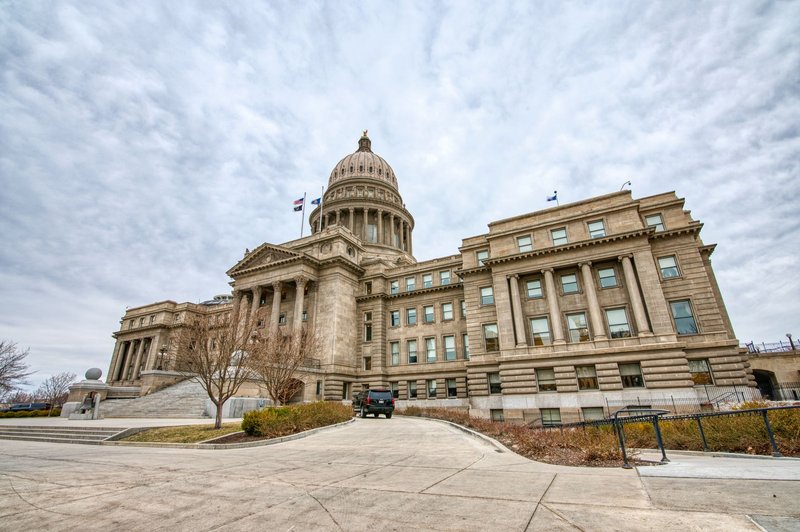
The roots of the problem are familiar to housing economists: a wave of new residents moving to Montana during and after the pandemic, a construction industry that has struggled to keep pace with demand, restrictive local zoning that limits what can be built and where, and a short supply of buildable land near job centers. The result has been felt most acutely in resort communities like Bozeman, Whitefish, and the Flathead Valley, but city officials in Great Falls, Helena, and Billings say the pressure has spread well beyond the mountain towns that first drew statewide attention to the issue.
State Lawmakers Take Up Zoning Reform
The Montana Legislature’s 2023 session produced the most significant state-level response to date. Lawmakers passed a package of bills aimed at loosening local land-use restrictions that housing advocates and some legislators argued had made it harder and more expensive to build homes. The legislation grew out of recommendations from a housing task force convened by Governor Greg Gianforte, which studied barriers to housing production and proposed changes intended to increase supply.
Key Legislative Changes
- Accessory dwelling units: New state law requires cities to allow accessory dwelling units, such as backyard cottages or converted garages, on lots zoned for single-family homes in many circumstances, reducing the ability of local governments to block them outright.
- Land use planning requirements: Larger municipalities are now required to adopt land use plans that identify areas for growth and streamline permitting, replacing a patchwork of discretionary zoning decisions with more predictable rules.
- Manufactured and modular housing: Legislation limits the ability of local governments to prohibit manufactured homes in areas zoned for single-family residential use, a change aimed at expanding lower-cost housing options.
- Duplex and middle housing allowances: Some of the reforms encourage or require cities to permit duplexes and other “middle housing” types in neighborhoods previously restricted to single-family construction.
Supporters of the changes have argued that decades of restrictive zoning in Montana’s cities artificially constrained housing supply and that state intervention was necessary because local governments faced political pressure from existing homeowners to resist new development. Critics, including some city officials, have countered that the reforms strip local communities of control over their own growth patterns and could lead to development that outpaces infrastructure like water, sewer, and roads.
Local Governments Respond With Their Own Programs
While the state has focused on zoning, cities and counties have pursued a mix of tools aimed more directly at affordability. Missoula and Bozeman, two of the state’s fastest-growing and most expensive housing markets, have each adopted affordable housing strategies that combine public funding, incentives for developers, and partnerships with nonprofit housing organizations.
Public-Private Partnerships
Several Montana cities have used tax increment financing districts to help fund affordable housing projects, directing a portion of the increased property tax revenue generated by new development back into housing programs rather than the general fund. Local housing authorities have also worked with nonprofit developers such as community land trusts, which aim to keep homes permanently affordable by separating ownership of the land from ownership of the house.
Inclusionary Zoning and Incentives
Some municipalities have experimented with incentive-based approaches, offering developers relief from certain fees or permission to build at higher density in exchange for setting aside a percentage of units as income-restricted. These programs remain limited in scale compared to the size of the housing shortfall, but city planners describe them as one of the few tools available to local governments working within the constraints of state law, which restricts Montana cities from imposing mandatory inclusionary zoning requirements outright.
Measuring the Scope of the Shortage
Quantifying the exact size of Montana’s housing shortage is difficult, in part because estimates vary depending on methodology and geography. State and local housing studies generally agree on the broad pattern: rental vacancy rates in many Montana communities have remained low for years, home prices have climbed well beyond what a typical local wage can support in a conventional mortgage, and construction of new housing, particularly at the lower end of the price range, has not kept pace with population growth.
Housing officials note that the shortage is not evenly distributed. Rural counties with stagnant or declining populations have not seen the same price pressure as growth corridors along the Rocky Mountain Front and in western Montana. That unevenness complicates statewide policy, since a zoning fix suited to a fast-growing resort town may have little relevance to a small agricultural county losing population.
The Workforce Housing Gap
A recurring theme among employers in tourism, healthcare, and education is the difficulty of recruiting and retaining workers who cannot find housing near their jobs. School districts and hospitals in high-cost communities have reported difficulty filling positions when new hires cannot find an apartment or starter home within a reasonable commute. Some employers have begun building or subsidizing housing directly for employees, an approach once uncommon in Montana but increasingly discussed as a stopgap measure while broader policy solutions take shape.
What Policymakers Say Comes Next
State officials involved in housing policy describe the 2023 reforms as a first step rather than a complete solution. Additional proposals discussed heading into future legislative sessions include expanding funding for the state’s affordable housing tax credit program, providing more resources for infrastructure that supports new housing development, and revisiting how water and sewer capacity constraints in fast-growing areas are financed.
Local officials, meanwhile, continue to press for more flexibility and funding to address conditions specific to their communities. Some have called for the state to increase support for housing trust funds that provide low-interest financing for affordable projects, while others have focused on removing remaining regulatory barriers to denser infill development in already-serviced neighborhoods.
Housing advocates caution that even with the recent changes, it will take years before shifts in zoning policy translate into a meaningfully larger supply of affordable homes, since construction timelines, financing, and labor availability all limit how quickly new housing can be built.
Conclusion
Montana’s response to its affordable housing crisis has moved on two tracks: state-level zoning reform intended to reduce regulatory barriers to construction, and local programs aimed at directly subsidizing or incentivizing affordable units. Neither approach has resolved the underlying imbalance between housing supply and demand, and officials at both levels acknowledge that progress will likely be incremental. For residents watching rents and home prices continue to climb, the changes underway represent an early and still unfinished attempt to bring housing costs back in line with what Montana workers can afford.