Montana winter storms arrive with little warning and can strand travelers, cut power for days and drop temperatures well below zero within hours. State and county emergency management officials say the households that fare best are the ones that prepare before the first snowfall, not after a storm warning is issued. Montana winter storm preparation involves three main areas: the home, the vehicle and a stocked emergency kit, along with a plan for staying informed once severe weather develops.
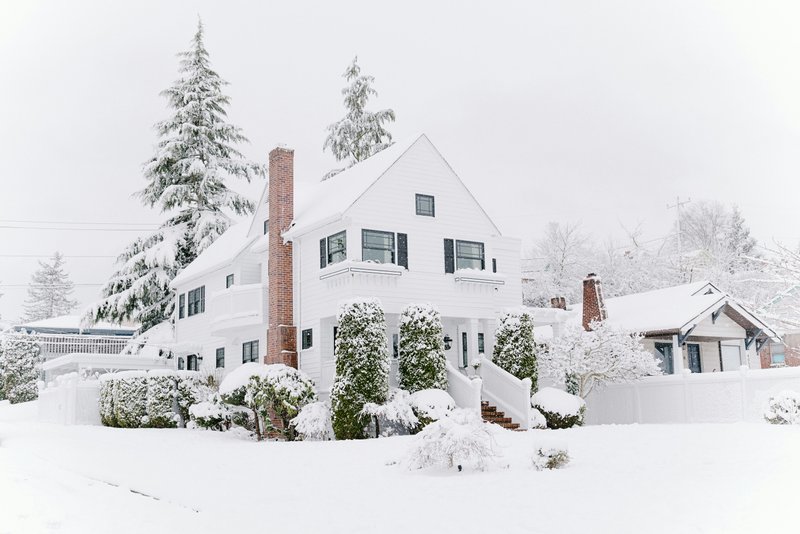
Winterizing the Home
Heating failure during a prolonged cold snap is one of the most common causes of winter emergency calls in Montana. Homeowners and renters alike can reduce that risk with a few basic steps taken before temperatures drop.
Insulation and Sealing
Gaps around windows, doors and attic access points allow heat to escape and let cold air in, driving up heating costs and stressing furnaces during extreme cold. Weatherstripping, caulking and attic insulation checks are inexpensive fixes that pay off during multi-day cold spells. Pipes located in unheated spaces such as crawl spaces, garages and exterior walls should be wrapped with insulation sleeves or heat tape to prevent freezing and bursting.
Heating Systems and Backup Power
Furnaces and chimneys should be inspected and serviced before winter, since a breakdown during a storm can leave a household without heat for days if service crews cannot reach rural areas. Homes that rely on wood stoves or fireplaces should have a supply of dry, seasoned wood stored under cover. Carbon monoxide detectors should be installed near sleeping areas and tested, particularly in homes using backup generators or alternative heat sources. Generators should never be run indoors or in attached garages.
Roof and Gutter Maintenance
Heavy snow loads can strain roofs, especially on older structures or outbuildings not built to current snow-load standards. Clearing gutters before the first freeze reduces the risk of ice dams, which can force water under shingles and cause interior damage as it melts and refreezes throughout the season.
Preparing Vehicles for Snow and Ice
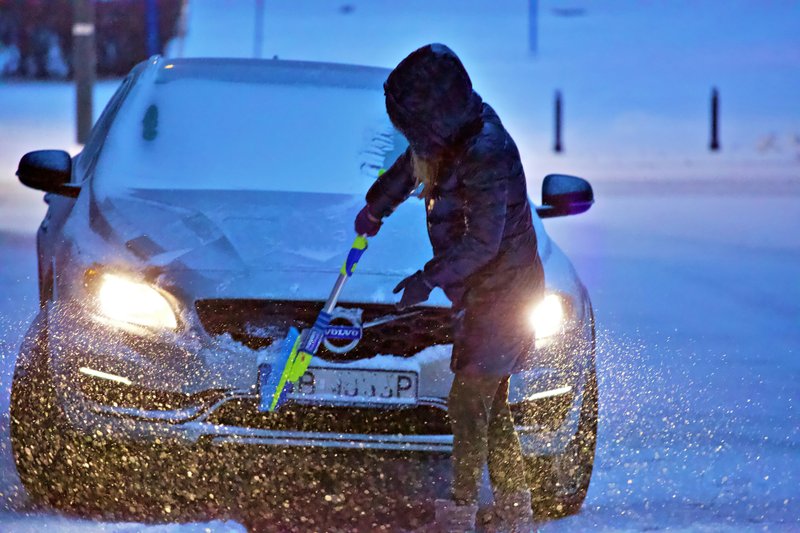
Montana’s rural highways and mountain passes can become impassable quickly once snow begins falling, and vehicles that aren’t winter-ready are more likely to break down or slide off the road.
Tires, Fluids and Battery Checks
Tire tread depth and air pressure should be checked before the season starts, since cold air causes tire pressure to drop and worn tread reduces traction on ice and packed snow. Many Montana drivers switch to dedicated winter tires or carry chains for mountain travel. Antifreeze levels, wiper fluid rated for sub-zero temperatures, and battery health also deserve attention, since cold weather is the leading cause of battery failure in vehicles that were otherwise running fine in warmer months.
Emergency Supplies for the Vehicle
Drivers who travel rural roads or mountain passes should keep a winter kit in the vehicle at all times during the season. A basic kit includes:
- An ice scraper and small shovel
- Sand, cat litter or traction mats for tire grip if stuck
- Jumper cables and basic tools
- A flashlight with extra batteries
- Blankets or an extra set of warm clothing
- A phone charger that works from the vehicle’s power outlet
- Non-perishable food and water
Keeping the gas tank at least half full during winter months reduces the risk of fuel line freeze-up and ensures enough fuel to run the engine for heat if stranded.
Building a Household Emergency Kit
Power outages and road closures can leave households isolated for extended periods, particularly in rural counties where utility crews may need extra time to reach downed lines. Emergency management officials recommend having enough supplies on hand to last at least several days without power or outside access.
Core Supplies
A well-stocked kit should include drinking water, non-perishable food that does not require cooking, a manual can opener, a battery-powered or hand-crank radio, flashlights, extra batteries, and a first aid kit. Households with specific medical needs should keep an extra supply of prescription medications on hand, since pharmacies may be difficult to reach during a storm.
Heat and Light Without Power
Candles, matches, and battery-powered lanterns provide light during outages, though candles should be used with caution due to fire risk. Extra blankets, sleeping bags rated for cold temperatures, and warm clothing layers help households stay safe if heating systems go down. Homes with wood stoves or fireplaces have a natural advantage during extended outages, provided a supply of dry fuel is kept on hand.
Pets and Livestock
Rural Montana households often need to plan for animals as well as people. Livestock require access to unfrozen water and shelter from wind, and pet owners should keep extra food, water and bedding on hand in case travel to a store becomes impossible for several days.
Road Safety During Storms
The Montana Department of Transportation and local sheriff’s offices routinely advise drivers to avoid unnecessary travel once a winter storm warning is issued. Whiteout conditions on open stretches of highway and black ice on mountain passes are leading causes of multi-vehicle crashes in the state each winter.
Drivers who must travel should tell someone their route and expected arrival time before leaving. Reducing speed, increasing following distance, and avoiding sudden braking on icy surfaces all reduce the risk of losing control. If a vehicle becomes stuck or stranded, safety officials generally advise staying with the vehicle rather than attempting to walk to safety, since it provides shelter and is easier for rescuers to locate than a person on foot in blowing snow. Running the engine periodically for heat, while keeping the exhaust pipe clear of snow to prevent carbon monoxide buildup, can help maintain body temperature while waiting for help.
Staying Informed During Severe Weather
The National Weather Service issues winter storm watches, warnings and advisories for Montana counties as conditions develop, and these alerts are the most reliable source of real-time information on timing, snowfall totals and wind chill. Many counties also operate emergency alert systems that send text or phone notifications for road closures and evacuation orders.
Local news broadcasts and radio stations provide ongoing storm coverage, including road condition updates from the Montana Department of Transportation, which maintains information on highway closures and travel advisories during active storms. Households should have at least one battery-powered or hand-crank radio in case power and internet service are both unavailable.
Conclusion
Montana’s winter storms are a predictable annual event, even when their exact timing and severity are not. Preparing the home against extreme cold, outfitting vehicles for snow and ice, stocking an emergency kit for extended outages, and knowing where to turn for weather updates together form the foundation of sound Montana winter storm preparation. Taking these steps before the season’s first major storm gives households and drivers a far better chance of getting through the winter safely.