Visitors to Glacier National Park this year are finding a different system in place. After several summers in which travelers needed a vehicle reservation to drive parts of the park at peak times, the National Park Service has announced that vehicle reservations will not be required in 2026. In their place, the park is shifting its focus to Logan Pass, the busiest spot on the Going-to-the-Sun Road, with a ticketed-only shuttle system and three-hour limited parking at the pass. Here is what has changed and how visitors can plan around it.
No Vehicle Reservations in 2026
The National Park Service states on its Glacier planning pages that “vehicle reservations will not be required in 2026,” and its fee page adds that no vehicle reservations are required in any area of the park this year. For many visitors that removes a planning hurdle: in recent seasons, people had to secure a timed reservation in advance or enter before or after set hours to drive the Going-to-the-Sun Road corridor and the North Fork at peak times.
No reservation does not mean no crowds, however. Glacier remains one of the most visited parks in the region during July and August, and parking at popular trailheads can still fill early in the day.
What Is New: Logan Pass Management
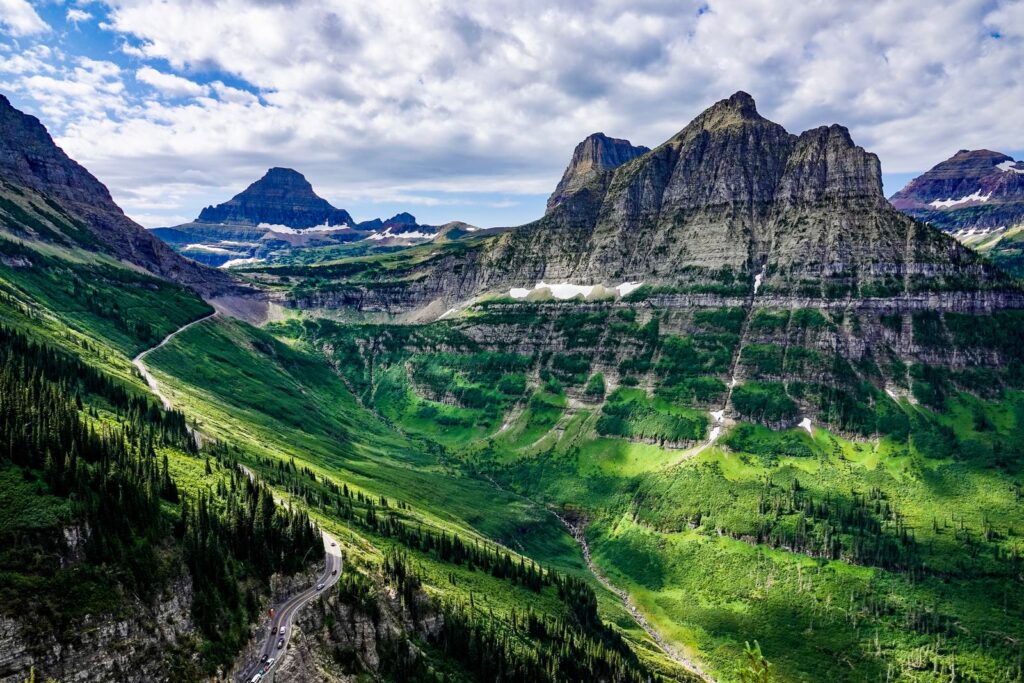
Instead of controlling access to whole road corridors, the park is concentrating on Logan Pass, the high point of the Going-to-the-Sun Road and the starting point for popular hikes such as the trail to Hidden Lake Overlook. According to the Park Service, the 2026 plan includes:
- A ticketed-only shuttle system. The park describes its 2026 shuttle service as ticketed only, so riders will need a ticket to board.
- Three-hour limited timed parking at Logan Pass. Visitors who drive to the pass will be limited in how long they can park there, so spaces turn over through the day.
The Park Service publishes the details of the shuttle tickets, operating dates, and parking rules on its Glacier website. Visitors should check those pages directly before their trip, since operational details can change as the season approaches and conditions on the road evolve.
What It Means for Different Visitors
Day hikers aiming for longer trails from Logan Pass
A three-hour parking limit is short for longer hikes. Hikers planning routes that take most of a day may find the ticketed shuttle the more practical option, or may plan hikes from other trailheads along the road.
Sightseers driving the Going-to-the-Sun Road
Travelers who simply want to drive the road and stop at pullouts should find the 2026 system simpler than past years, since a separate vehicle reservation is no longer needed. The usual advice still applies: start early, expect traffic at viewpoints, and check the road’s status, since the full road typically opens only after crews clear snow from the high sections.
Families and first-time visitors
Without a reservation deadline to meet, trip planning is more flexible. Families may still want to build their day around lower-elevation areas such as Lake McDonald on the west side, then drive toward Logan Pass when parking or shuttle plans allow.
2026 Entrance Fees
Entrance fees still apply. The Park Service lists these 2026 fees for Glacier:
- Private vehicle, seven days: $35 in summer, $25 in winter (November 1 through April 30).
- Motorcycle, seven days: $30 in summer, $20 in winter.
- Per person on foot or bicycle, seven days: $20 in summer, $15 in winter.
- Glacier annual pass: $70.
The park states that it does not accept cash, so visitors should plan to pay by card. It also lists an additional $100 fee for non-U.S. residents aged 16 and older unless they hold an annual or America the Beautiful pass. Several fee-free days are scheduled during 2026, including Memorial Day, the Independence Day weekend, and Veterans Day.
Planning Checklist
- Check the Park Service’s Logan Pass and shuttle pages for ticket availability and dates before you travel.
- Decide how you will reach Logan Pass: by ticketed shuttle for longer hikes, or by car for a shorter stop within the parking limit.
- Arrive early at popular trailheads and viewpoints, especially on summer weekends.
- Bring a card for entrance fees, since the park is cashless.
- Pack for changing weather. Conditions at Logan Pass can be much colder and windier than in the valleys, even in midsummer.
- Carry bear spray and know how to use it, since Glacier is grizzly and black bear country.
- Download maps before you arrive, as cell service is limited in much of the park.
Why the Park Keeps Adjusting
Glacier’s popularity has grown to the point where the Going-to-the-Sun Road and Logan Pass regularly exceed their parking capacity on summer days. The reservation systems of recent years were one response to that congestion. The 2026 approach targets the single most crowded location more directly, while keeping the rest of the park open without advance booking.
Visiting in the Fall
September and early October can be a rewarding time to visit, with thinner summer crowds, cooler temperatures, and changing colors in the valleys. Fall also brings shorter days and the first snows at higher elevations, and services inside the park wind down as the season ends. Visitors traveling in autumn should check the Park Service’s road status page and shuttle schedule closely, since both change as the season closes.
The Bottom Line
In 2026, Glacier National Park visitors can drive in without a vehicle reservation, but need to plan carefully for Logan Pass, where the park is using a ticketed shuttle system and a three-hour parking limit. Checking the Park Service’s official pages close to your travel dates, arriving early, and bringing a card for the cashless entrance stations will cover most of what has changed this year.